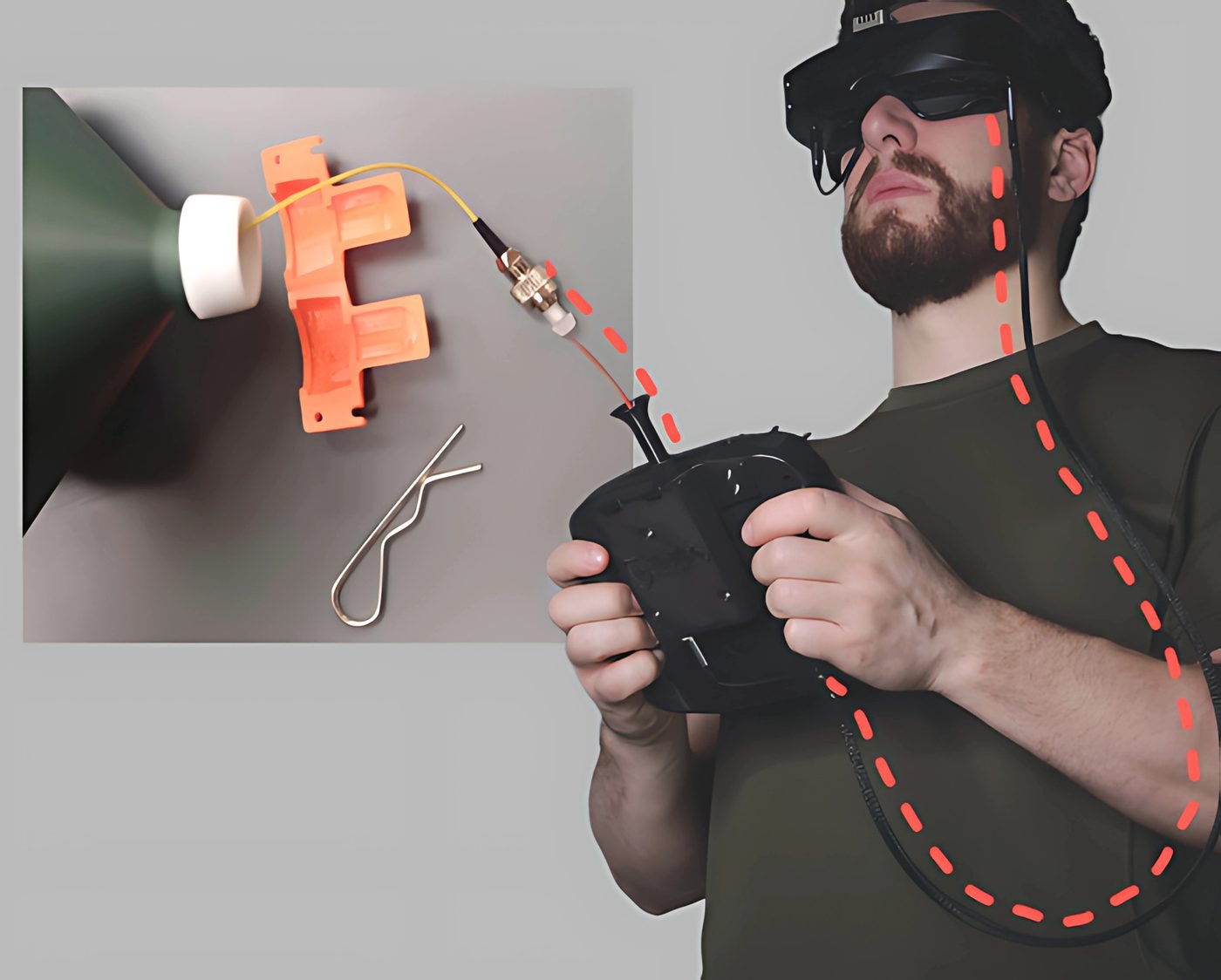
As a constant standard, today's armed conflict zones are heavily saturated with electronic warfare and GPS jamming.
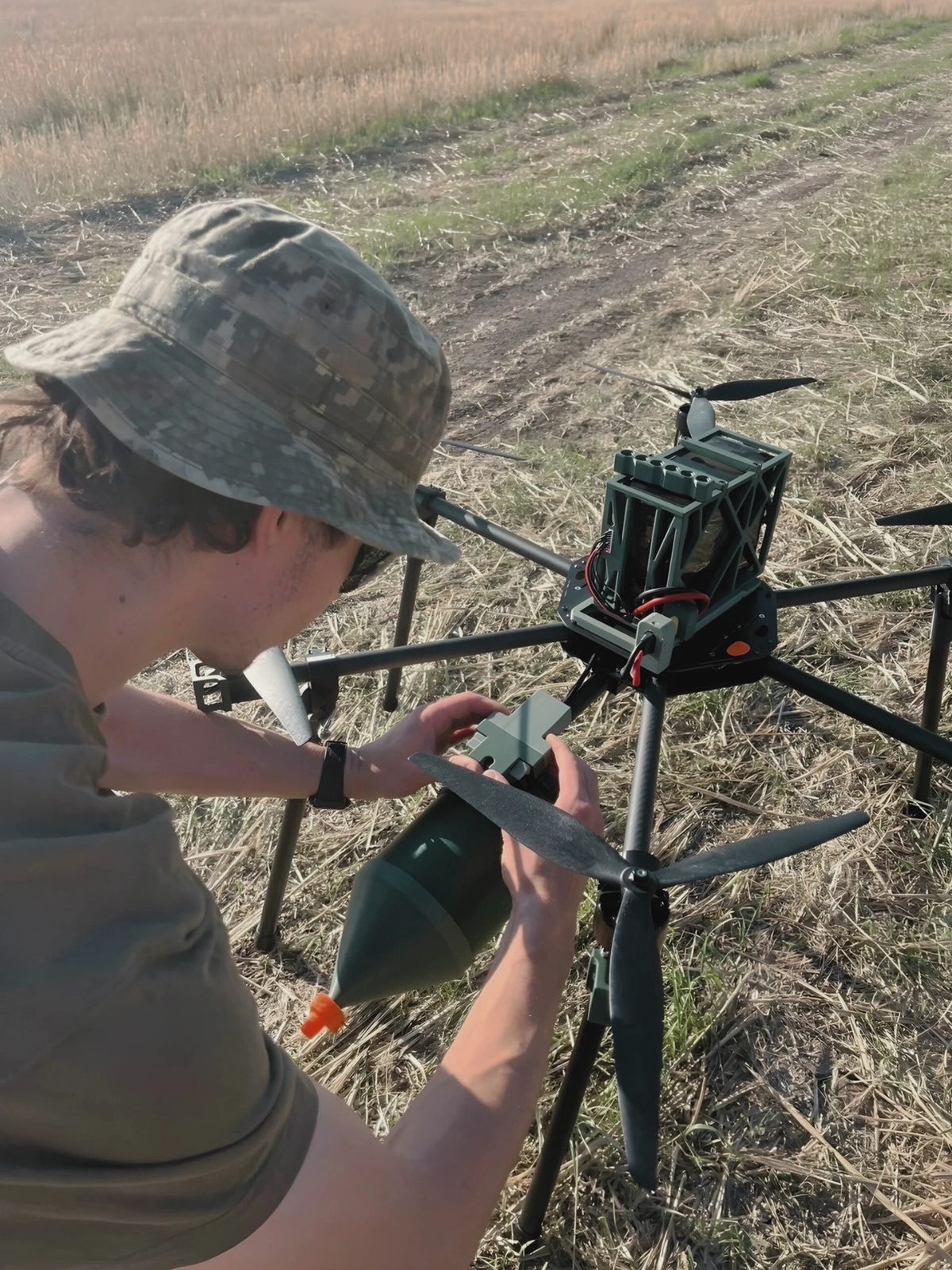
Fiber optic spools made in Lithuania, EU
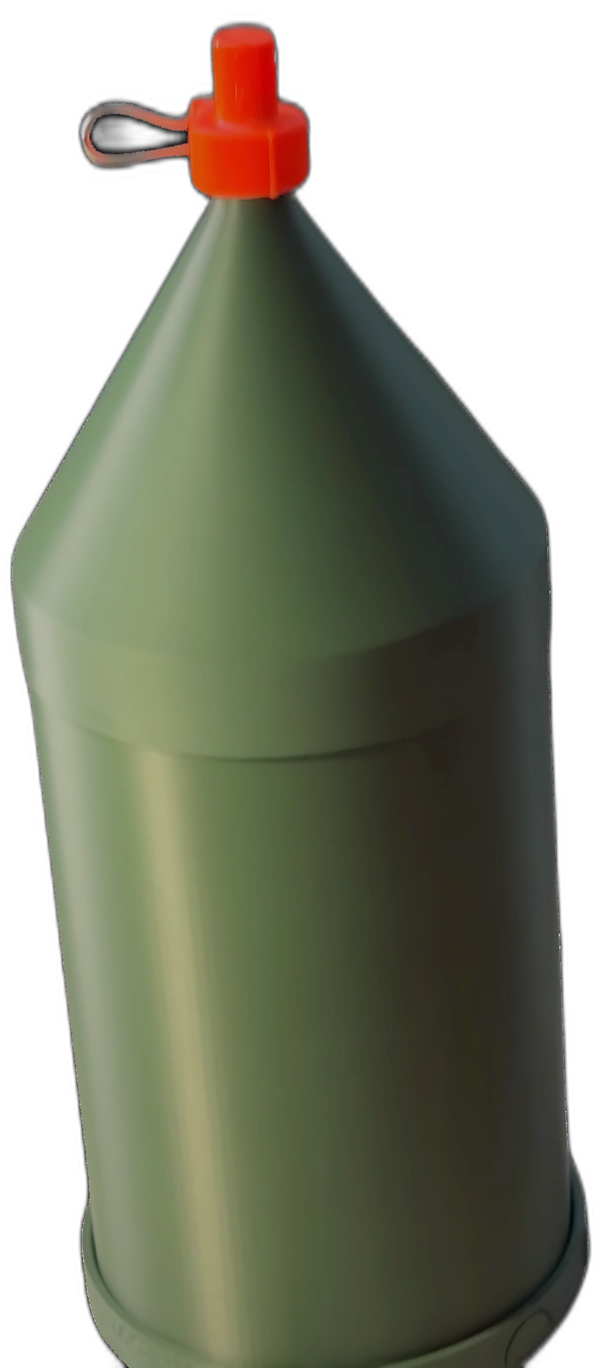
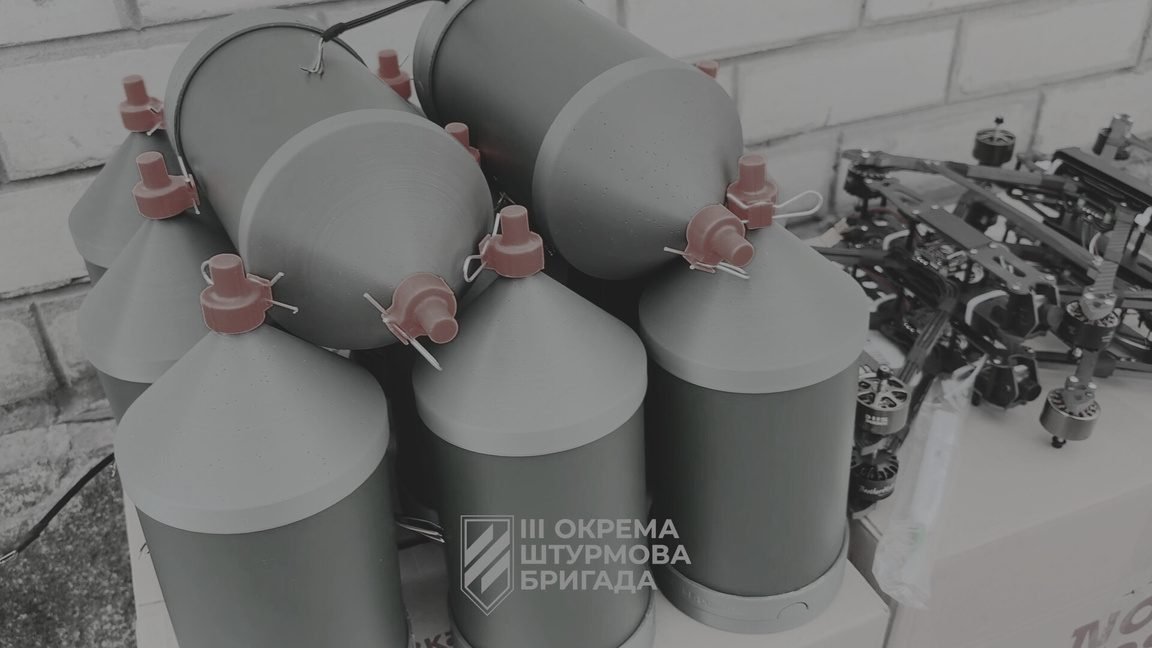
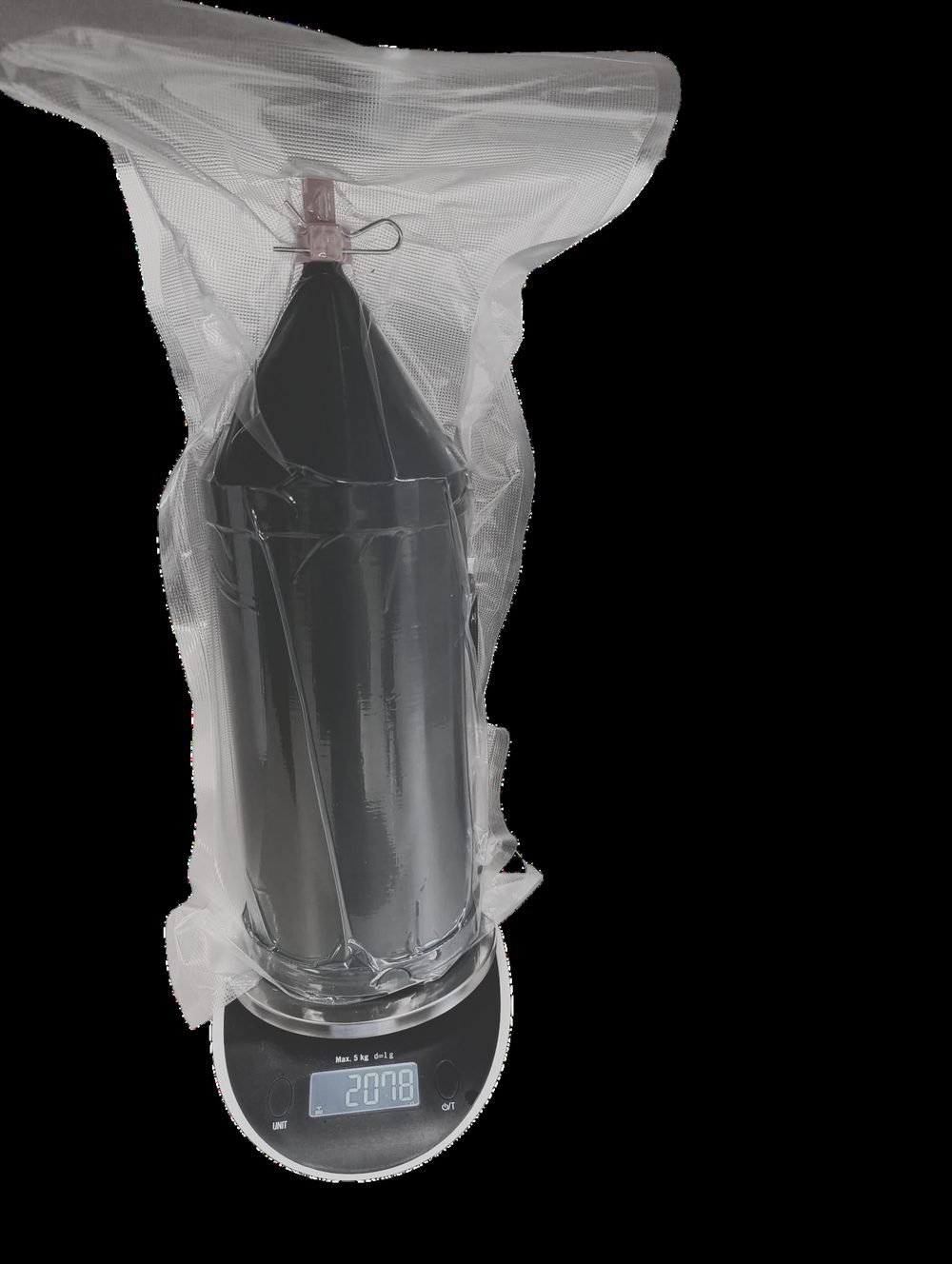
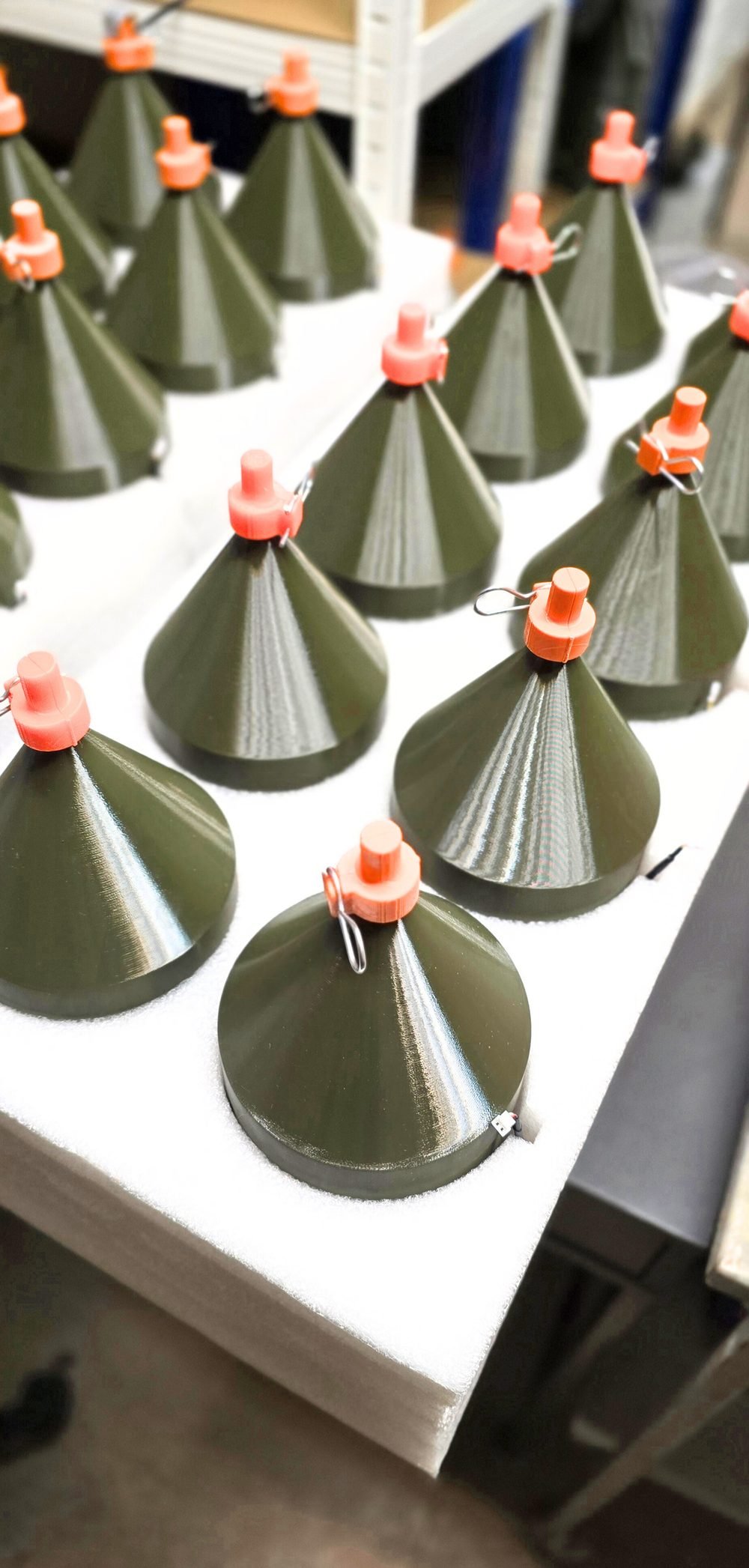
Unjammable control and live video feed — up to 50 km / 31 miles. The world's highest-quality, lowest-weight fiber optic spools for drones.
No gimmicks. No theory.
Only field-proven solutions dedicated for those 3–5 soldiers heading to their mission in a 4x4 pickup.
About us
We are not just engineers. Our team unites aerospace, satellite launches, advanced 3D printing, heavy industry, programming, and electronics — together with military service and combat UAV experience on Ukraine's frontlines.
Built on NATO's eastern edge in Lithuania, Europe, with pride in defending freedom. Featured in American and Ukrainian media.

…many Western-made FPV drones might not even lift off the ground.
As a constant standard, today's armed conflict zones are heavily saturated with electronic warfare and GPS jamming.
Even with newly tuned drones on uncommon RX/VTX frequencies, combat UAV teams still have no certainty they'll fly — or hit their target.
You may build incredible drones — but can they fly when 300 MHz to 1050 MHz, 1.2–1.5 GHz, 2.1–2.7 GHz, 2.4 GHz, 5.2 GHz, and 5.8 GHz are under enemy jamming?
The solution
Unjammable control and live video feed — up to 50 km / 31 miles.
See spool modelsOPTAC does not have the limitations of other fibre optic systems.
42 m/s (150 km/h / 81 kt) speed and 150 m (492 ft) altitude are not the limit.
Complete unwinding — to the bone, every time. 99.9% complete spool unwinding guarantee.
Mounts easily on any drone platform. Custom integrations for air, land, and naval systems.
Incomparable build quality compared to traditional fiber optic spools. Backed by EU warranty.
Specifications
| VTX+RX spool model | Weight in flight | Dimensions |
|---|---|---|
| Short-range datalink | ||
| MICRO CQB · 2.5–3.3 km / 1.6–2.1 mi | On request | On request |
| mini 5 km / 3.1 mi | On request | On request |
| 10 km / 6.2 mi | 1.0 kg / 2.2 lbs | 30 × 13.5 cm / 11.8 × 5.3 in |
| Mid-range | ||
| 15 km / 9.3 mi | 1.3 kg / 2.9 lbs | 30 × 13.5 cm / 11.8 × 5.3 in |
| 20 km / 12.4 mi | 1.6 kg / 3.5 lbs | 36 × 13.5 cm / 14.2 × 5.3 in |
| Long-range | ||
| 25 km / 15.5 mi | 2.0 kg / 4.4 lbs | 36 × 13.5 cm / 14.2 × 5.3 in |
| 30 km / 18.6 mi | On request | On request |
| 50 km / 31.1 mi | 4.0 kg / 8.8 lbs | 44 × 16 cm / 17.3 × 6.3 in |
| 60 km / 37.3 mi | On request | On request |
Always request the latest specifications, as our products are constantly being improved.
Custom integrations for air, land, and naval platforms — with tailored lengths and configurations available on request.
Request latest specs
Why unique
* Ask us for guarantee terms.
Ground control
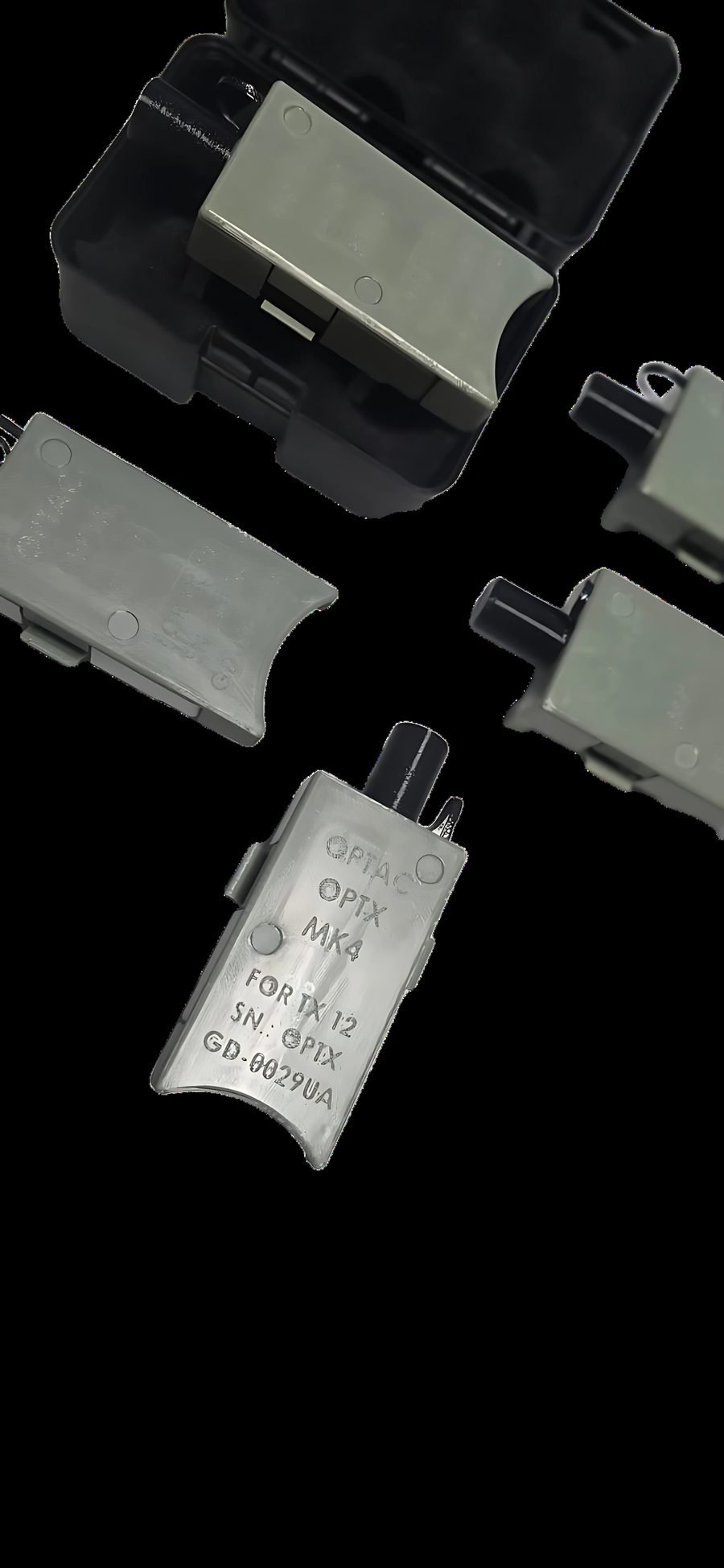
Seamless, click-in solution that transforms traditional RC controllers into fiber-optic systems.
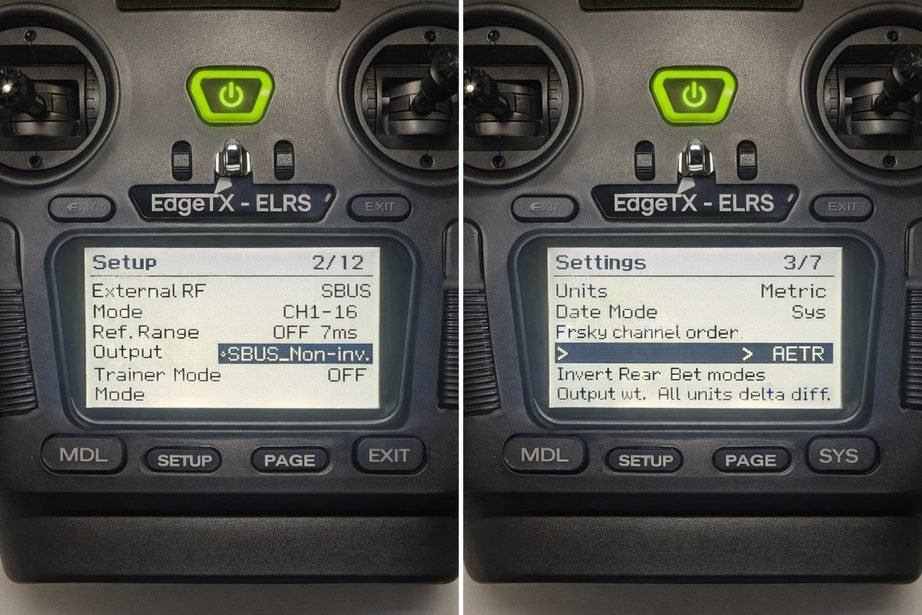
The OPTX JR-bay module clicks into standard RC transmitters — RadioMaster Boxer, TX12 and compatible radios — connecting your controller and goggles to the fiber line in seconds. No custom hardware, no soldering.
Ask about OPTX modules
Fiber optic datasheet
OPTAC uses only high-reliability bending-insensitive single-mode optical fiber engineered for mission-critical optical communication systems where compact routing, mechanical robustness, and stable signal integrity are required. It maintains low attenuation and consistent optical performance even under tight bending. High-performance dual-layer acrylate coatings provide robust mechanical protection and long-term environmental stability under temperature cycling, humidity exposure, and other demanding field conditions.
| Characteristic | Condition | Data | Unit |
|---|---|---|---|
| Attenuation | 1310 nm | ≤ 0.36 | dB/km |
| 1383 nm | ≤ 0.34 | dB/km | |
| 1550 nm | ≤ 0.22 | dB/km | |
| 1625 nm | ≤ 0.24 | dB/km | |
| Zero dispersion wavelength | — | 1300–1324 | nm |
| Zero dispersion slope | — | ≤ 0.092 | ps/(nm²·km) |
| Max single-fiber PMD / link value (M=20, Q=0.01%) / typical | — | ≤ 0.2 / ≤ 0.06 / 0.04 | ps/√km |
| Optical cable cutoff wavelength λcc | — | ≤ 1260 | nm |
| Mode field diameter (MFD) | 1310 nm | 8.6 ± 0.4 | µm |
| 1550 nm | 9.9 ± 0.5 | µm | |
| Effective group refractive index | 1310 nm | 1.4683 | — |
| 1550 nm | 1.4688 | — | |
| Discontinuity of attenuation | 1310 nm | ≤ 0.05 | dB |
| 1550 nm | ≤ 0.05 | dB |
| Characteristic | Data | Unit |
|---|---|---|
| Cladding diameter | 125 ± 0.7 | µm |
| Cladding non-circularity | ≤ 0.7 | % |
| Coating diameter | 245 ± 10 | µm |
| Coating/bonding concentricity error | ≤ 12.0 | µm |
| Core/encapsulant concentricity error | ≤ 0.5 | µm |
| Warpage (radius) | ≥ 4.0 | m |
| Characteristic | Condition | Data | Unit |
|---|---|---|---|
| Temperature additional attenuation | −60 °C to +85 °C | ≤ 0.05 | dB/km |
| Temperature-humidity cycle additional attenuation | −10 °C to +85 °C, 98% relative humidity | ≤ 0.05 | dB/km |
| Submersion additional attenuation | 23 °C, 30 days | ≤ 0.05 | dB/km |
| Hydrothermal additional attenuation | 85 °C and 85% relative humidity, 30 days | ≤ 0.05 | dB/km |
| Dry heat aging | 85 °C, 30 days | ≤ 0.05 | dB/km |
| Characteristic | Condition | Data | Unit |
|---|---|---|---|
| Filtering tension | — | ≥ 9.0 | N |
| Flanged pipe, 10 turns, diameter 30 mm | 1550 nm | ≤ 0.03 | dB |
| Flanged pipe, 10 turns, diameter 30 mm | 1625 nm | ≤ 0.1 | dB |
| Flange 1, 1 circle, diameter 20 mm | 1550 nm | ≤ 0.1 | dB |
| Flange 1, 1 circle, diameter 20 mm | 1625 nm | ≤ 0.2 | dB |
| Flange 1, 1 circle, diameter 15 mm | 1550 nm | ≤ 0.5 | dB |
| Flange 1, 1 circle, diameter 15 mm | 1625 nm | ≤ 1.0 | dB |
| Stripping resistance | average / peak | 1.0–5.0 / 1.3–8.9 | N |
Integration
| Pin | Signal | Connect to FC | Description |
|---|---|---|---|
| 1 Black | GND | GND | Ground |
| 2 Red | VIN | BAT | Power input 5.5 V – 26 V |
| 3 White | SBUS OUT | SBUS IN | Control output to FC |
| 4 Yellow | VIDEO IN | VTX / VIDEO OUT | Analog video input |
Need help with integration on your platform? Talk to our engineers →
FAQ
A fiber optic drone is an FPV drone or other UAV controlled through a hair-thin optical fiber instead of a radio link. The fiber unwinds from a spool mounted on the aircraft and carries both control signals and live video. Because nothing is transmitted over the air, the link cannot be jammed by electronic warfare and emits no radio signature to detect.
Range is set by the spool. OPTAC produces fiber optic spool models from 2.5 km to 60 km (1.6–37 mi) of tether, with speeds up to 42 m/s and altitudes up to 150 m proven in combat use — and a 99.9% complete unwinding guarantee.
Control and video travel inside the optical fiber, not over radio frequencies. Electronic warfare that suppresses the 300 MHz – 5.8 GHz bands has nothing to attack: the drone keeps flying and streaming video right next to active jammers, and it stays invisible to RF direction-finders.
OPTAC spools weigh from 1.0 kg (2.2 lbs) for the 10 km model up to 4.0 kg (8.8 lbs) for 50 km — engineered as the lowest-weight spools in their class and precisely calibrated for UAV flight dynamics.
The spools mount on any FPV drone or UAV platform, with custom integrations for air, land and naval systems. On the ground side, OPTX JR-bay modules click into RadioMaster Boxer, TX12 and compatible RC transmitters — no soldering required.
We work with armed forces, government procurement and defense industry partners. Request a quote with your platform and required tether length, and we'll come back with pricing, lead times and the latest specifications. End-use documentation may be required.
Contact
Tell us about your platform and mission requirements — we'll come back with pricing, lead times, and the latest specifications.
We work with armed forces, government procurement, and defense industry partners. End-use documentation may be required.